
 All blog posts
How Long Does a Food Allergy Reaction Last?
Allergic reactions are hypersensitivity responses to chemicals, drugs, and food items. Chemicals that trigger an allergic response are known as allergens.
The response level can vary from mild to life-threatening. The duration of an allergic reaction to food items can vary from one individual to another.
Allergies can take a few hours to even days to subside. However, food allergies are generally not very serious and usually resolve in a few minutes to hours.
Some common foods that can trigger an allergic response are peanuts, fish, wheat, milk, eggs, or shellfish.
Read on to learn all you need to know about food allergy reactions.
What Are the Signs of Food Allergies?
During the reaction, you can experience the following signs and symptoms:
Vomiting/ Stomach Cramps
Stomach cramps and diarrhea are common in a food allergy reaction; however, you may also find vomiting associated with allergies due to your immune system’s response to the specific food it identifies as harmful or dangerous.
Hives
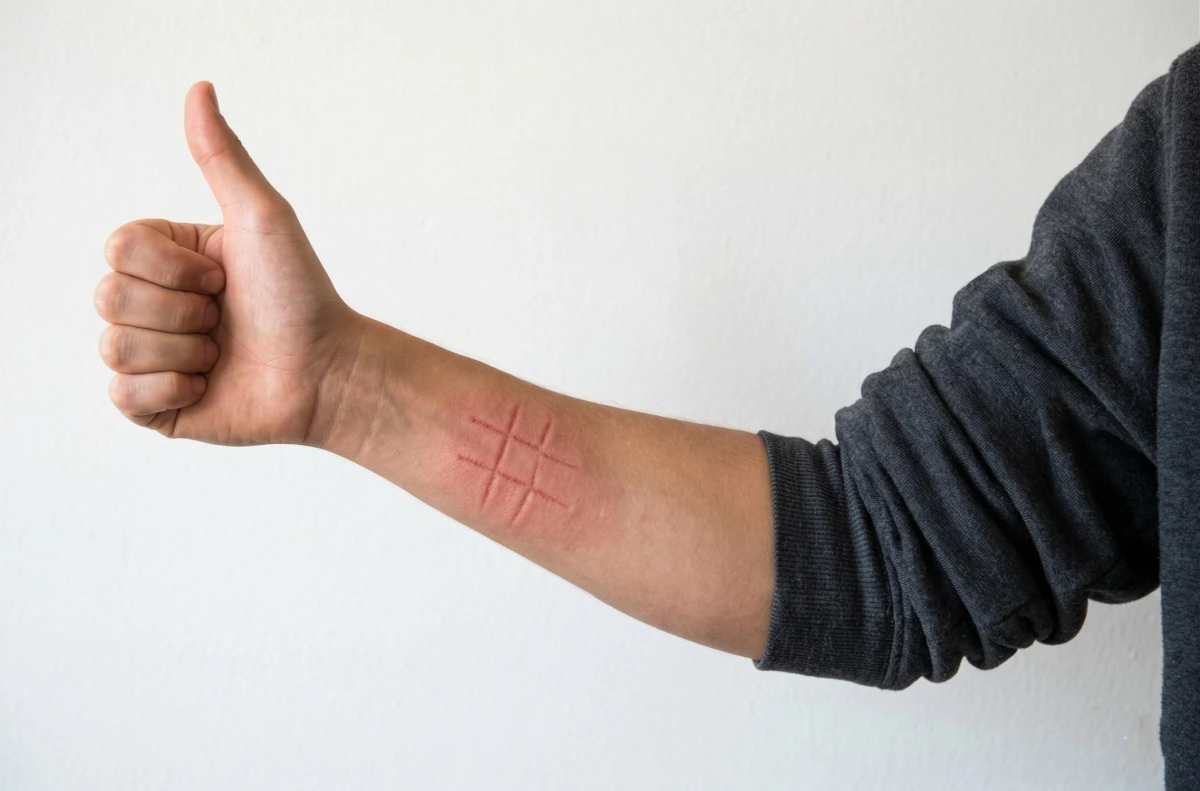
Urticaria (hives) is characterized by redness of the body. It develops in response to allergies. Redness or blackness of the skin is accompanied by itchiness. According to a study, intake of food allergens can cause urticaria, vomiting, and itching.
Shortness of Breath
Shortness of breath is typically associated with anaphylaxis and can develop quickly. A fatal or near-fatal anaphylactic response can occur with a peanut allergy.
It can result in serious consequences without timely treatment.
Hoarse Throat
Hoarseness of the voice and congestion of the throat are common presentations of a food allergy reaction, such as allergens irritating the vocal cords.
Repetitive Cough
Coughing occurs due to immune-mediated bronchospasm. The airway passages constrict, reducing the flow of air. That ends up with the person repeatedly clearing his throat for more air.
Allergen-exposure-induced cough in children can be used as a diagnostic feature for allergies in children.
Dysphagia (Trouble Swallowing)
Dysphagia is a prevalent complaint of individuals with food allergies. Having trouble swallowing food after eating something can indicate a food allergy. Allergy-induced-swelling of the tongue causes the disturbances.
Anaphylaxis
Anaphylaxis is hypersensitivity of the immune system in response to allergen exposure (which can be food). Patients experience different symptoms of anaphylaxis at the same time.
Breathing difficulties are the most common, while nausea, dizziness, skin reactions, weak pulse, and wheezing can also constitute anaphylaxis.
It is a life-threatening condition needing immediate medical attention.
Dizziness
You may also experience syncope and dizziness as a result of food allergies. The feeling is only temporary and does not last for long.
How Can You Prevent Food Allergies?
You can keep food allergies at bay by following these simple tips:
Early Exposure
Exposing kids to allergens can be beneficial in preventing food allergies. Research shows that early introduction to allergies like peanuts (especially during 1st year of life) greatly reduces the risk of allergy later in life.
Track What To Eat and Drink
Keeping track of the foods that led to allergies in the past and avoiding them in the future can help prevent food allergies.
So, if your body is allergic to peanuts, strawberries, or kiwifruit, you should avoid consuming them.
Notify Others About Your Allergies
A surprise birthday party may turn into a distressing experience if the strawberry cake stops your breath or swells up your mouth. So, it is better to notify others about your allergies to prevent unwanted discomfort.
Is It Safe to Get Tested for Food Allergies?
Yes, food allergy testing is a safe procedure that helps diagnose food allergies. You should get tested if you experience any symptoms or have a family history of allergies.
If you think that you might be allergic to some foods, we at Frontier Allergy Asthma & Immunology can help you.
Dr. Neha Reshamwala is a board-certified allergist who has been practicing since 2012 that will provide you with personalized care. Dr. Reshamwala treats all her patients with utmost respect and compassion, always putting them first. Book an appointment today!

Written/Reviewed by: Dr. Neha Reshamwala
NPI number: 1780874578
Page last reviewed: 05/26/2025